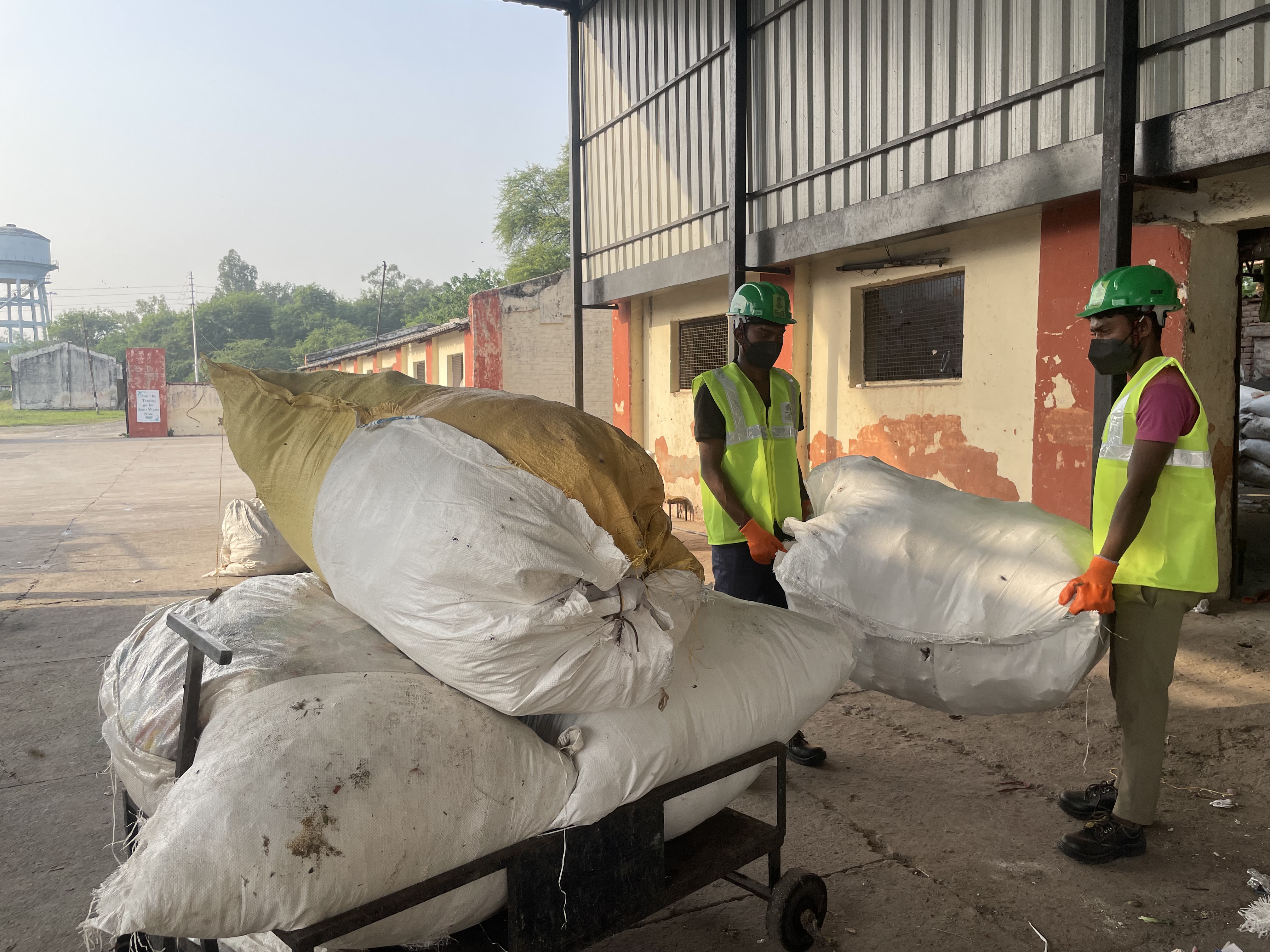
Receive and segregate
Waste is received at the site and sorted into appropriate streams for further processing.
Integrated waste management
A decentralized, site-specific approach to handling waste through segregation, organic waste processing, recycling, and resource recovery.
Integrated Shuddh Waste Management (ISWM) brings collection, sorting, processing, and recovery into one coordinated system. The layout and operating plan can be adapted to the waste input, site, and service requirements.
Segregation is central to the model. Biodegradable materials, dry recyclables, and residual waste need different handling routes. A site plan can include collection, transportation, weighing, segregation, shredding, composting, storage, and onward recovery or disposal.
The ISWM model is based on the principles of Refuse, Reduce, Reuse, Recycle, and Recover. Source segregation helps keep organic waste, dry recyclables, and residual materials in appropriate processing streams.
Interactive process
Select a stage to see how the system handles each material stream.
 01 / 06
Inside the process
Waste arrives at the processing site and is prepared for the next handling steps.
01 — Waste arrives at the site
Waste is received at the site and sorted into appropriate streams for further processing.
Suitable wet organic waste can be shredded before composting in equipment or a site-specific composting arrangement.
Finished compost is harvested and prepared for storage or use, subject to operating conditions and the intended application.
Dry waste is sorted by material type and sent to recycling routes where available. Suitable residual non-recyclables may be directed to approved recovery pathways such as RDF or alternative fuel and raw material (AFR), subject to local requirements.
Project experience includes municipal, institutional, and cantonment settings.
Reported project volumes are approximate. Client and project names indicate project experience and do not imply endorsement or current contracts.
The ISWM proposal describes a customizable site plan and a service model that can include segregation, shredding, composting, manpower, equipment, operation, and maintenance. The final scope depends on the waste quantity and composition, land and infrastructure, collection model, and local operating requirements.
Special, hazardous, and medical waste require separate handling through appropriate authorized channels; they should not be mixed into ordinary composting or recycling streams.
Share your site, waste streams, and service needs with Shuddh Sustainable Solutions.
Discuss a project